


OUR SOUP CLASSICS

Gluten-free

No artificial additives
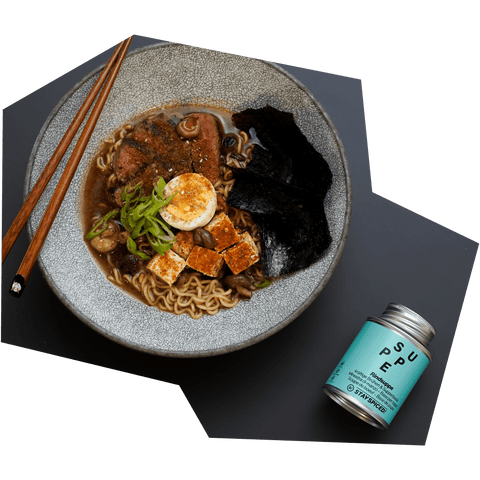
Beef Ramen Soup with Shitake Mushrooms
Discover the pure, natural taste of our S! Beef Soup and much more! We recommend S! Yakitori Tofu for your tofu, and the egg is pimped up with S! Eggciting.

Taste pure nature and perfection without compromise!
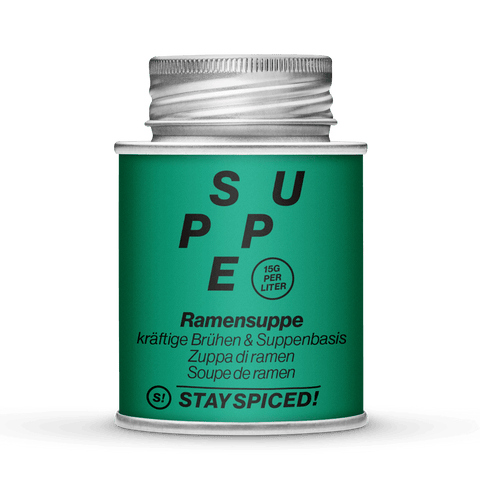
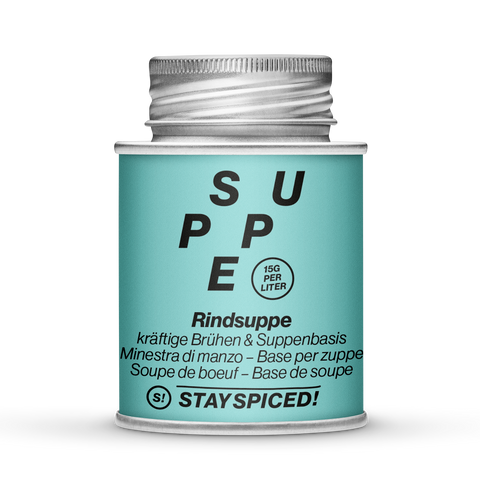
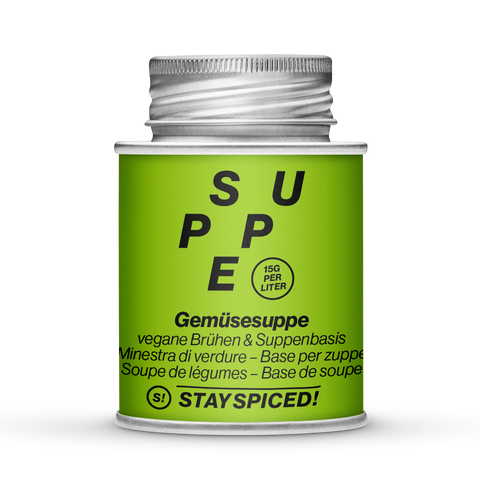
The STAY SPICED! soup seasonings impress with their natural flavor and versatility. The vegetable soup is vegan, gluten-free, and full of the power of herbs and vegetables. Our finely balanced chicken soup combines perfectly with the powerful flavor of chicken. The beef soup is intensely flavored and captivates with its natural, characteristic beef flavor.
Grandma's perfect life hack

Cream soups perfectly seasoned
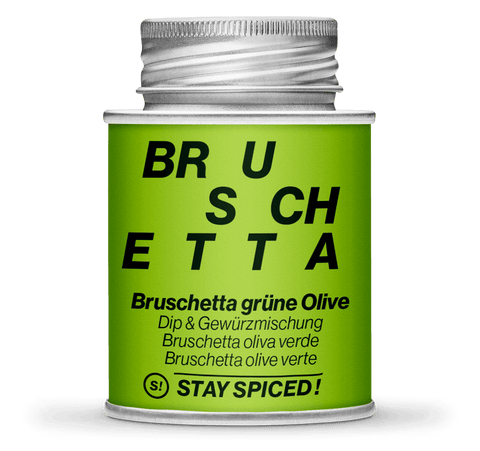
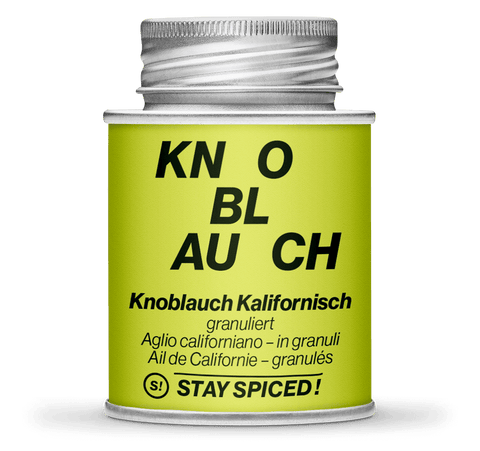



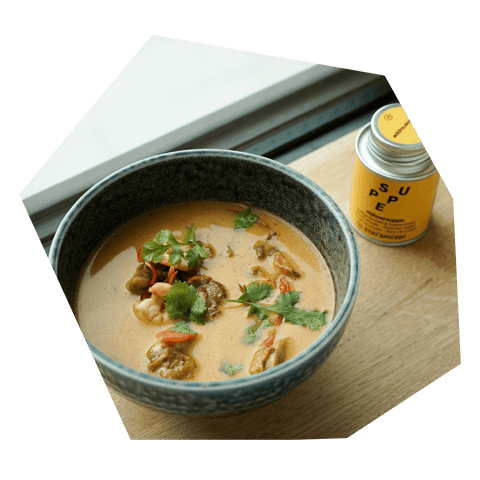
Tom Ka Gai – Chicken soup with coconut & shrimp
This traditional Thai soup is naturally enhanced in flavor by the addition of S! Chicken Soup. This soup creation provides energy and, above all, a great deal of enjoyment! Soup time is always!
MAKE YOUR OWN SOUPS & BROTH

All the essentials at a glance
What is a broth?
A broth is a clear, thin liquid, created by boiling ingredients such as meat, bones, vegetables or spices. It usually serves as a base for other dishes.
Typical for broth:
- clear and light
- cooked from meat, bones or vegetables
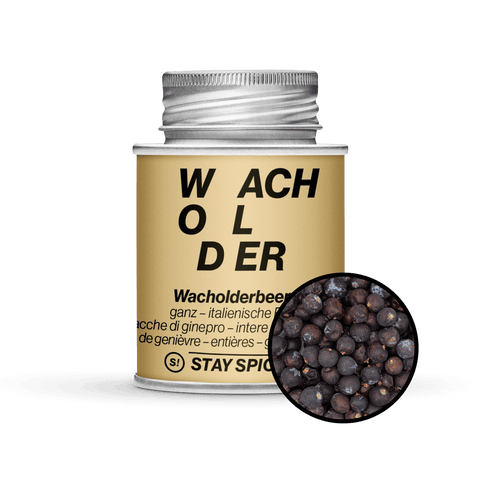
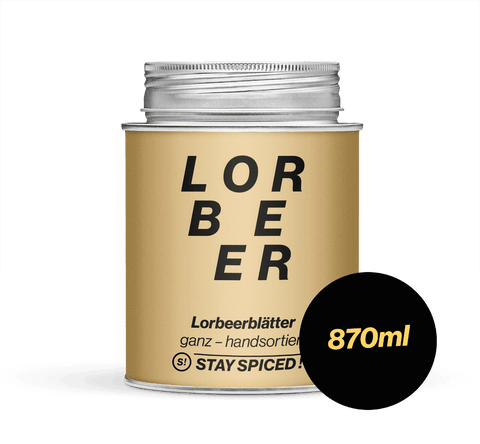
- seasoned with bay leaf, pepper, juniper & Co.
- base for soups, sauces or risotto
Examples: beef broth, chicken broth, vegetable broth.
What is a soup?
A soup is a finished dish that is based on broth or water and contains additional ingredients.
Typical for soup:
- contains solid ingredients (vegetables, pasta, meat, etc.)
- can be clear or creamy
- is served as a standalone meal
Examples: Goulash soup, pumpkin soup, minestrone, potato soup.
How to properly season soup?
Soup should ideally be seasoned in several steps. Start with a basic seasoning of salt, pepper, and appropriate spices when sautéing the base ingredients (e.g., onions or vegetables). During cooking, herbs, spice blends, or broths can be added.
Very important: Taste again at the end. The intensity and saltiness change during simmering. Only season finally just before serving – this keeps the taste balanced and fresh.
When do you season soup - at the beginning or at the end?
Both – but differently.
- Basic spices such as bay leaves, peppercorns or spice mixtures can be cooked early so that they develop their full aroma.
- Fine spices, fresh herbs or delicate spices are best added towards the end.
The final seasoning always takes place shortly before serving.
Which spices go well in soup?
That depends on the type of soup. Proven spices for soups are:
- Pepper (black or white)
- Nutmeg (for creamy soups)
- Paprika (for color and depth)
- Bay leaf & Juniper (for rich broths)
- Turmeric & Ginger (for vegetable soups)
- Chili (for a light spiciness)
Ready-made spice blends for vegetable, chicken, or beef soup are also ideal for quickly achieving a harmonious seasoning.
How do you get more flavor into soup?
More flavor is created by:
- Roasting onions or vegetables before adding liquid
- Briefly sautéing spices (do not burn)
- Using herbs and spice blends
- A pinch of nutmeg or paprika for more depth
- A few drops of high-quality oil at the end
Even a touch of heat or a hint of acidity can make a soup much livelier.
What to do if soup is too salty?
If the soup is too salty, these tricks can help:
- Dilute with water or unsalted broth
- Cook a raw potato with it (absorbs some salt)
- Add some cream or coconut milk
- Balance with acid (e.g., lemon juice or vinegar)
Important: Taste again after each correction.
