

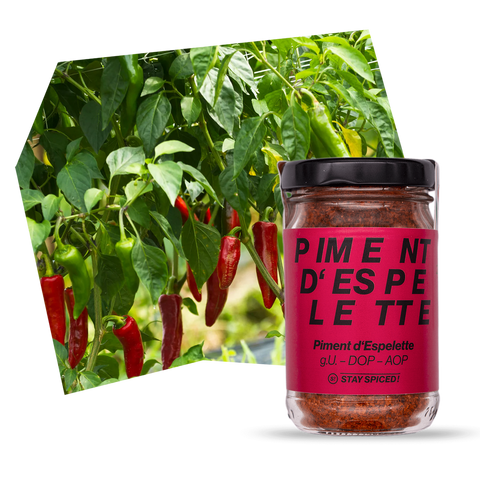
Piment d'Espelette – A favorite of haute cuisine!
Piment d'Espelette is not only popular with top chefs, but also a true rarity! The French chili pepper, as it is often called, has a slightly sweet, fruity, and spicy flavor and is an essential ingredient in French cuisine. Its cultivation is geographically protected – it may only be cultivated around the village of Espelette in the south of France.
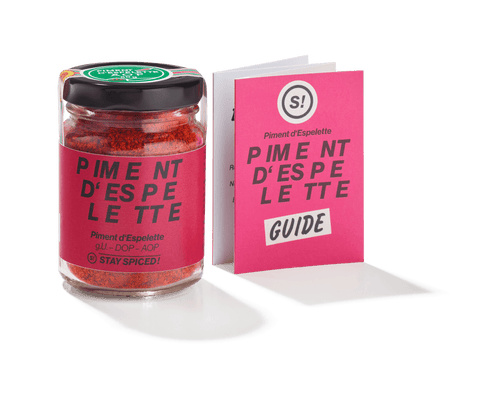
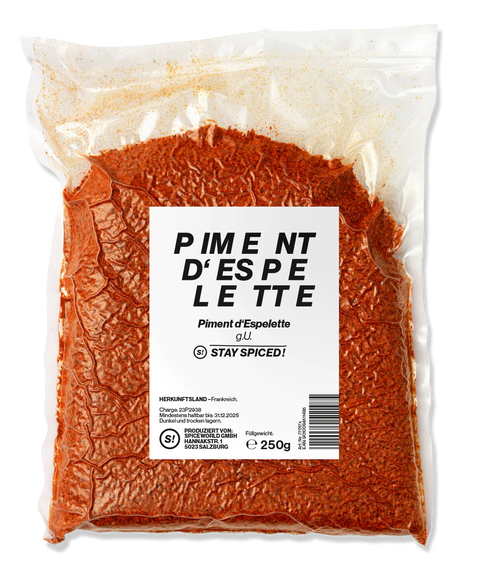
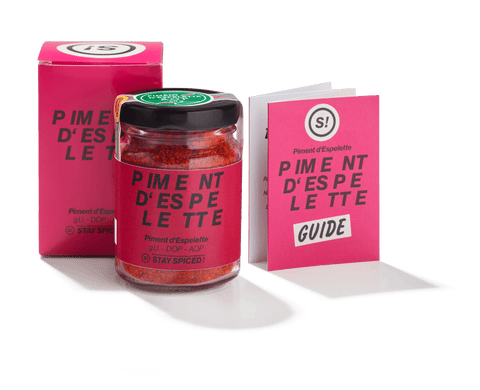
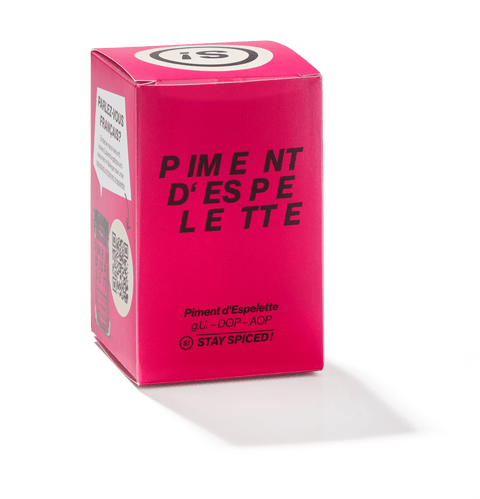
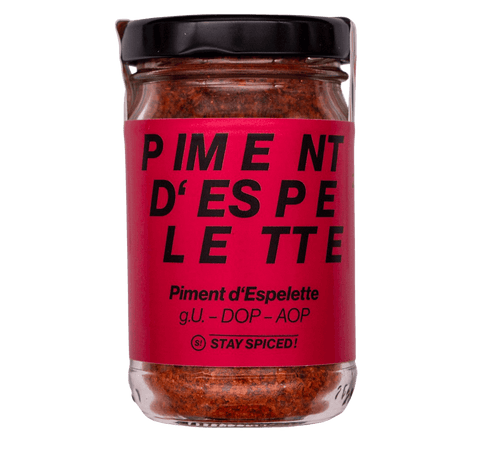
Piment d Espelette, the French pepper
- Origin & Quality – Protected specialty from France, traditionally cultivated.
- Taste & Use – Mild, fruity and spicy, perfect for many dishes.
- Tradition & craftsmanship – hand-harvested, sun-dried, with certified packaging.
Use:
Piment d'Espelette adds a delicate, warm flavor to meat, fish, and vegetable dishes. It's often used in sauces, marinades, and even chocolate or desserts. In French cuisine, it's a key ingredient in the famous "Poulet Basquaise"—a traditional chicken dish braised in a flavorful sauce made with tomatoes, bell peppers, onions, garlic, and, of course, Piment d'Espelette.

Do you speak French?
Origin
The pods originate from the French Basque Country, more specifically from the region around Espelette, where they have been cultivated since the 17th century. With their fruity, spicy aroma and mild heat of approximately 4,000 Scoville units, they often replace black pepper in Basque cuisine and are considered a refined spice. They are usually used as a powder or paste in French and Basque dishes.
Good to know
Production
The chilies are harvested by hand, sun-dried, and then gently processed in special ovens. They are then carefully sorted and ground into a fine powder. This traditional processing ensures their characteristic bright red color and intense aroma.
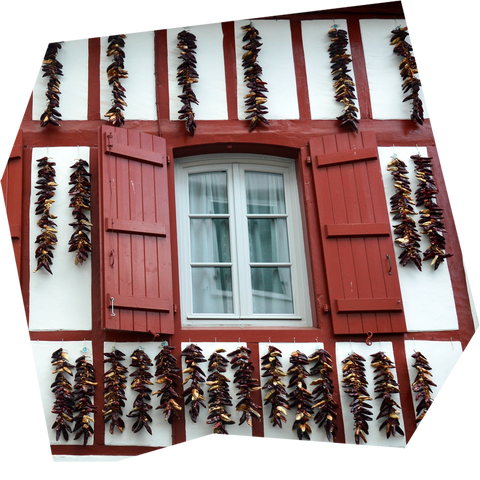
According to old tradition, there are also whole chili braids made from Piment d'Espelette , which are hung on house facades to dry after the harvest and later sold at markets.

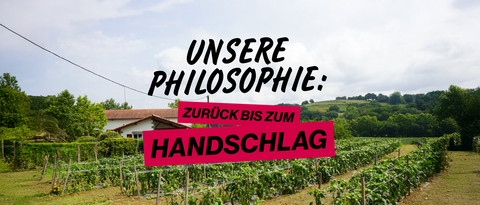

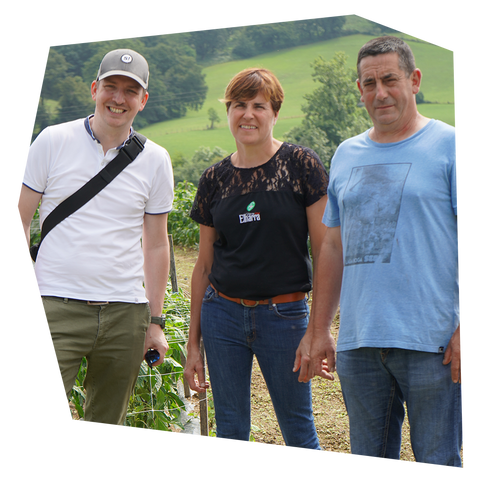
S! goes France – Our partnership with Michel
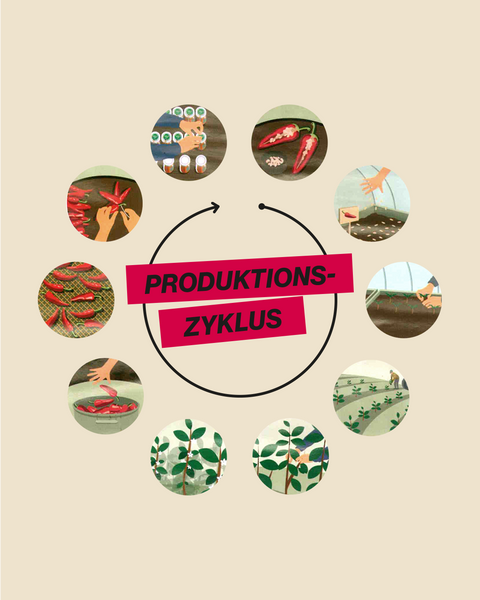
Our partner Michel and his family are five generations old and have been cultivating this exceptional chili rarity for several generations. Cultivation is a science in itself and takes a whole year.
In spring, everything begins with the cultivation of the plants in the greenhouse before the delicate young plants are planted outdoors. Care requires considerable experience, as the pods react sensitively to sun, rain, and other weather influences.
Michel and his family guarantee the highest quality, as all processes—from sowing to packaging—take place directly on the farm. They explained to us in detail the challenges involved in cultivation and the strict controls of the "syndicate" that evaluates and releases the allspice pods. Only the quantity actually grown in the fields may be sold, which is why each jar of Piment d'Espelette bears a numbered and certified banderol.
A highlight of our visit was the tour of the local museum , where the entire manufacturing process is vividly explained – a real experience!
We have been working with Michel since 2020 and are proud to have him as our partner
