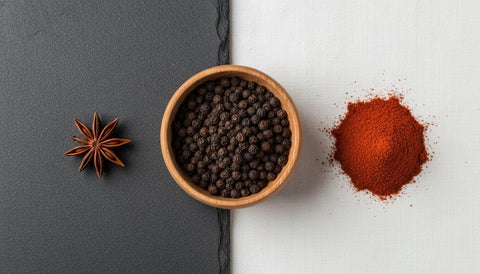
A basic spice collection includes ten spices that cover most everyday cooking: salt, black pepper, sweet paprika, chili, caraway, marjoram, oregano, thyme, nutmeg, and cinnamon. You can also add bay leaves, garlic, and a good curry as you cook more often.
This guide is for you if you are setting up your first spice rack, moving into your own place, or simply want to get your spice cabinet in order. You will discover which spices are really worth having, whether to buy them whole or ground, and how to store them.
The 10 basics for every kitchen
| Spice | For | From us |
|---|---|---|
| Salt | everything | Unprocessed fine sea salt |
| Black pepper | Meat, vegetables, sauces, salads | Whole black pepper |
| Sweet paprika | Goulash, chicken, potatoes, scrambled eggs | Hungarian sweet paprika |
| Chili | Heat for sauces, chili con carne, pan dishes | Cayenne chili |
| Caraway | Roast pork, cabbage, goulash, bread | Whole caraway from Maiergut |
| Marjoram | Potato soup, goulash, roasts | Marjoram |
| Oregano | Pizza, pasta, tomato sauce | Oregano |
| Thyme | Poultry, roasted vegetables, stews | Thyme |
| Nutmeg | Puree, spinach, light sauces | Whole nutmegs |
| Cinnamon | Baked goods, porridge, red cabbage, curries | Whole cassia cinnamon |
For advanced cooks: the next steps
- Bay leaves and juniper berries for soups, roasts, and game, e.g. whole bay leaves.
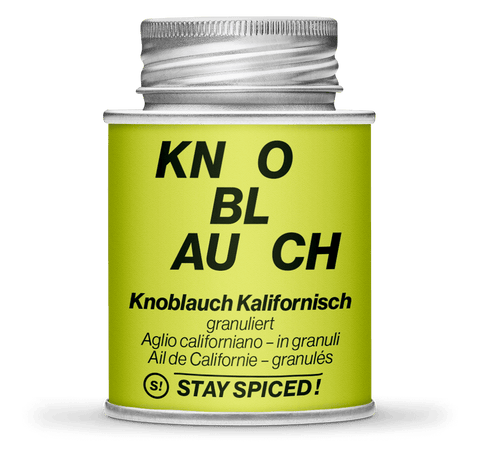
- Dried garlic for rubs and marinades, e.g. garlic granules.
- Cumin for oriental, Indian, and Mexican cuisine: whole cumin.
- Turmeric for colour and earthy flavour: ground turmeric.
- Cardamom for baked goods, coffee, and curries: whole green cardamom.
Spice blends worth having in every kitchen
In addition to single spices, a few good blends save you time because the flavours are already perfectly balanced:
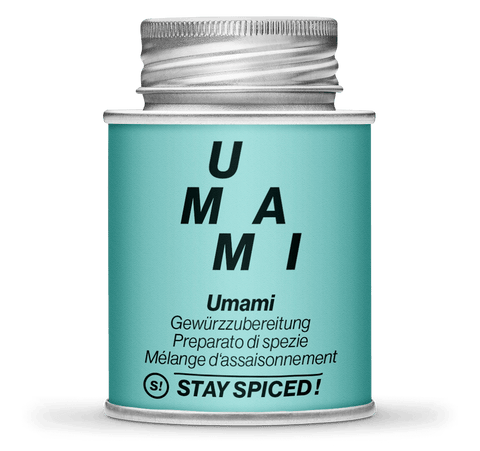
- STAY Umami – savoury depth for soups, sauces, and vegetables.
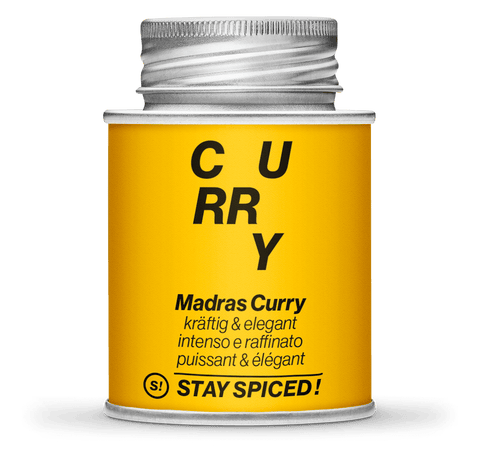
- Madras Curry – bold and elegant for curries and rice.
- Garam Masala – the warm spice blend of Indian cuisine.
- Amore – for fish, chicken, and veal.
- Butterbrot Gewürz – for bread, scrambled eggs, and quark.
You can find ready-made combinations in our spice sets, and all individual spices in the pure spices.
Whole or ground?
Whole spices such as peppercorns, caraway, nutmeg, or cinnamon sticks retain their aroma significantly longer because the essential oils remain enclosed in the cells. Grind or crush them just before cooking. Ground spices are convenient for everyday use, but you should use them up quickly. To start with, it is worth having pepper, caraway, and nutmeg whole, and paprika, chili, and turmeric ground.
Tip: Toast spices
Toast whole spices such as cumin, coriander, or mustard seeds briefly in a dry pan until they become fragrant. Then grind them – this makes the aroma more intense.
Store properly
Store spices in a dark, dry, cool, and airtight place – not directly above the stove. How long a spice lasts is indicated by the best-before date on the label and varies depending on the product. Rule of thumb: finely ground spices lose their aroma faster than whole ones, and everything lasts longer if it is well sealed. You can read more in the guide Storing spices properly. Our spice racks help keep things tidy, such as the hanging rack for 6 tins.
Questions & answers about the basic spice collection
Which spices should you always have at home?
Salt, black pepper, sweet paprika, chili, caraway, marjoram, oregano, thyme, nutmeg, and cinnamon. You can cook most everyday dishes with these.
What is the difference between pure spices and spice blends?
A pure spice consists of a single ingredient, such as pepper or marjoram. A blend combines several spices and herbs, sometimes with salt or sugar. The exact ingredients are listed in the ingredients list.
Should I buy spices whole or ground?
If you rarely need a spice, it is better to buy it whole and grind it when needed. Spices you use daily can be ground.
Are pure spices vegan?
According to the ingredients list, pure spices are entirely plant-based. With blends, it is worth checking the ingredients.
Why do spices clump without a shaker?
Ground spices and salt absorb moisture from the kitchen air. Always close the tin immediately and do not open it over a steaming pot. Simply loosen clumps with a fork.