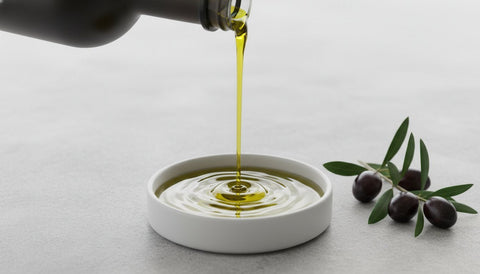
You can recognize good olive oil by three things: the quality grade "extra virgin olive oil", clear information about origin and harvest on the label, and its taste – fresh and fruity, slightly bitter, and with a little kick at the finish. Rancid, musty, or stinging notes, on the other hand, are defects.
In recent tests, many olive oils repeatedly fail because they have off-flavors or do not live up to what the quality grade promises. With this guide, you will know what to look for when shopping and how to keep your oil fresh at home.
The quality grades: What does the bottle say?
| Designation | What it means |
|---|---|
| Extra virgin olive oil | highest quality grade, only mechanically extracted, without sensory defects, free acidity at most 0.8% |
| Virgin olive oil | also only mechanically extracted, slight sensory defects allowed, free acidity at most 2% |
| Olive oil (from refined and virgin olive oils) | blend with refined oil, mild and neutral in taste |
What does "cold-pressed" or "cold-extracted" mean?
This information may only be used if the oil remained below 27 °C during extraction. This preserves the aromas. "First pressing", on the other hand, is a historical term – today it is usually no longer pressed, but centrifuged.
How to read the label
- Origin: The more precise, the better. A single country or region says more than "blend of olive oils from the EU".
- Harvest year or harvest date: Olive oil is not wine; it does not get better with time. Go for the current harvest.
- Best before date: It only indirectly indicates the age. The harvest year is more informative.
- Bottle: Dark glass or a tin protects against light.
The taste test at home
Pour a sip into a small glass, warm it with your hand, and smell it. Good extra virgin olive oil smells of fresh grass, green tomatoes, artichoke, or almond. Then take a small sip and spread it over your tongue:
- Fruity: the aroma of fresh olives.
- Bitter: typical for oil from green olives, not a defect.
- Pungent: a scratch in the throat, also a sign of quality.
If the oil tastes like old nut oil, vinegar, musty, or earthy, it is defective or too old.
Storing olive oil correctly
Light, heat, and air make olive oil age faster. Store the bottle in a dark, cool place, but not in the refrigerator, and always tightly sealed. After opening, you should consume the oil quickly so that it retains its full aroma.
Cooking with olive oil
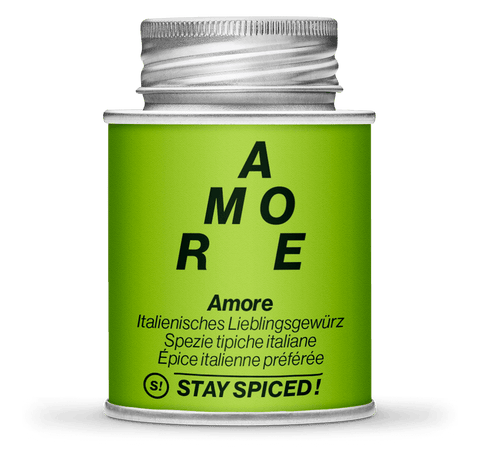
You can use extra virgin olive oil for frying at medium heat. However, you get the most aroma when it is raw: over salad, tomatoes, grilled vegetables, or fish. Together with spices, it quickly becomes a dip, for example with our Amore for fish, chicken, and veal, or with rosemary and some sea salt for bread.
Olive oil from STAY SPICED!
You can find our selected olive oils on the olive oil page, more cooking oils under Oil by STAY SPICED!.
Frequently asked questions about olive oil
How can I recognize a good olive oil when buying?
By the quality grade "extra virgin olive oil", a precise indication of origin, the harvest year, and a dark bottle. At home, the taste reveals the rest.
Can you fry with extra virgin olive oil?
Yes, at medium heat. For very high temperatures, a heat-stable frying oil is better suited, and the delicate aroma is lost anyway when heated strongly.
My olive oil tastes bitter and pungent – is it bad?
No. Bitterness and pungency are typical for fresh oil from green olives. It is defective if it tastes rancid, musty, or like vinegar.
How long does an opened bottle last?
It is best to consume it within a few months. Stored in a dark, cool place and tightly sealed, the aroma is preserved longer.
What does cold-pressing mean for olive oil?
That the oil was not heated above 27 °C during extraction. Only then may "cold-pressed" or "cold-extracted" be stated on the label.