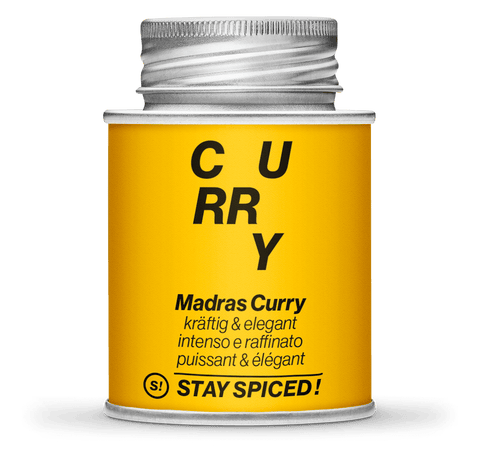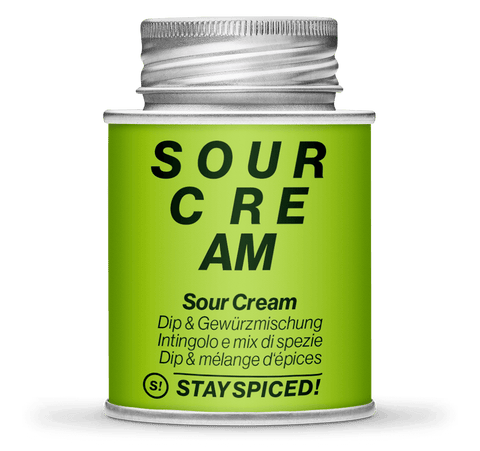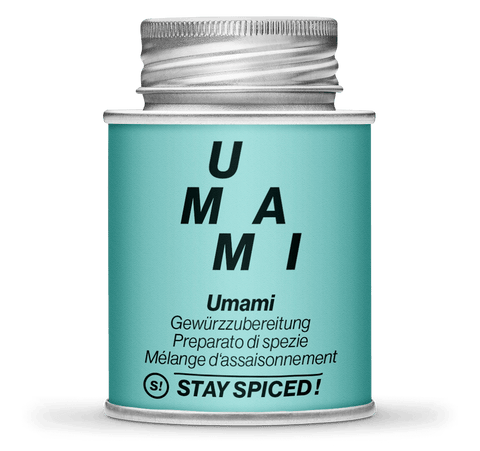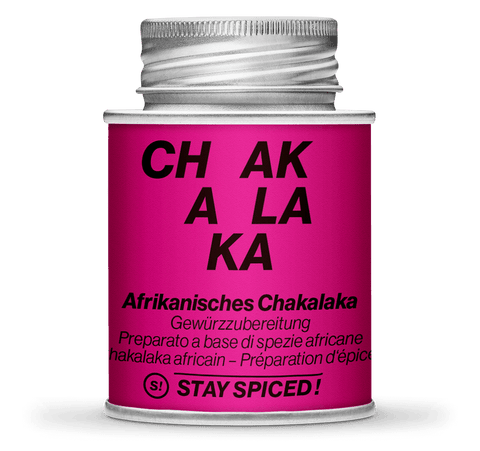
Whether a spice blend contains additives is revealed by the label: The designation shows what type of product it is, and the ingredients list names every additive with its class name and designation or E-number. If neither a flavor enhancer nor an anti-caking agent, coloring, nor preservative is listed, the blend is free of these additives.
This guide is for you if you want to know exactly what is in your spices. You will learn the terms on the label, find out which additives can occur in spices, and get a short checklist for shopping.
First the designation, then the ingredients
Before the ingredients list is the product designation. It tells you the classification. The basis is the guidelines for spices and other flavoring ingredients in the German Food Code:
| Designation | What is inside | Example from our range |
|---|---|---|
| Spice | a single spice or herb | Whole caraway from Maiergut |
| Spice blend | exclusively spices | see ingredients list on the product page |
| Spice preparation | at least 60% spices plus other flavoring ingredients such as salt, sugar, or vegetables | Goulash spice preparation |
| Seasoned salt | Table salt with spices, salt is the main ingredient | Turkey & poultry seasoned salt |
Important: Salt or sugar in a spice preparation are not additives, but regular ingredients. For the taste they are secondary: Sometimes they are needed to round off the flavor, to get a homogeneous mixture, or so that the mixture is easy to use. The important thing is that you know what is in it – then you can salt accordingly less when cooking.
What additives can be in spices?
Additives must always be indicated in the ingredients list with their function (class name) and their name or E-number. In spices and spice blends, you will mainly encounter:
- Flavor enhancers such as monosodium glutamate (E 621). They enhance the savory taste.
- Anti-caking agents such as silicon dioxide (E 551). They are intended to prevent powders and salt from clumping. They are approved and hardly change the taste – but they are not necessary for a good spice.
- Colorings, which create a stronger color.
- Acidifiers and preservatives, for example in preparations with citrus notes.
And yeast extract, seasoning, or flavoring?
Yeast extract and "seasoning" are not additives in the legal sense, but are used because of their savory, umami effect. Yeast extract naturally contains glutamic acid. "Flavoring" is also not an additive, but its own ingredient category, which must always be stated. Even natural ingredients can legally be considered flavorings, such as smoke flavoring. Anyone who looks closely will find all of this in the ingredients list.
Checklist: How to recognize spice blends without additives
- Read the designation: Spice, spice blend, spice preparation, or seasoned salt?
- Check the order: The ingredients are listed in order of quantity. What is at the front shapes the product.
- Look for class names: Flavor enhancer, anti-caking agent, coloring, preservative, acidifier – or E-numbers.
- Recognize flavoring ingredients: Yeast extract, seasoning, or flavoring are not additives, but good to know.
- Pay attention to allergens: They are highlighted in the ingredients list, with us in CAPITAL LETTERS, such as CELERY or MUSTARD.
Be careful with fantasy seals: There is no official seal for "100% natural ingredients". Rely on the ingredients list.
Our standard at STAY SPICED!
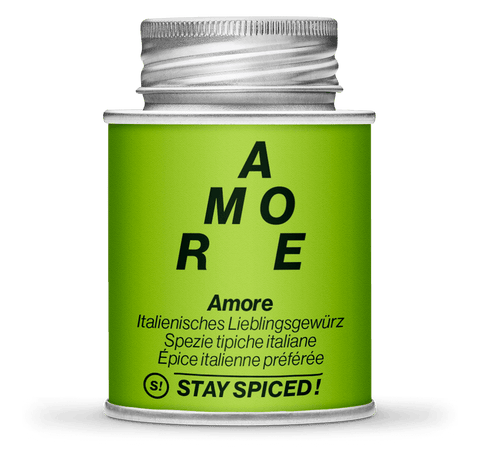
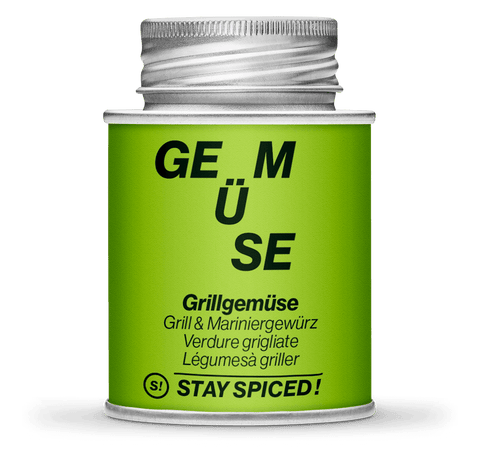
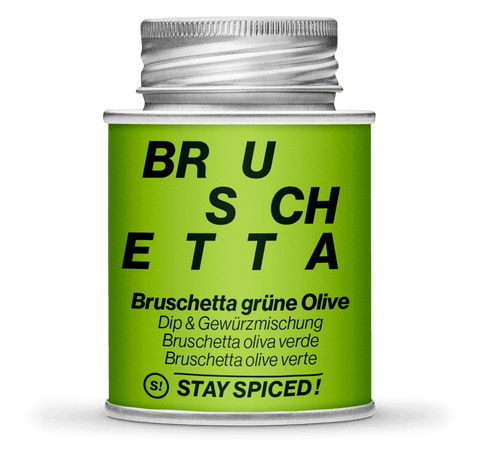
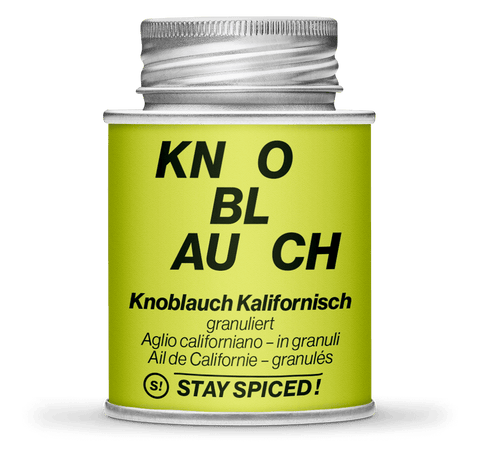
Our spices and blends are without flavor enhancers, without MSG, without colorings, and without anti-caking agents. Many of our blends are spice preparations with sea salt – this is clearly stated in the designation and in the ingredients list. Our founder is a trained chef: In the recipe, taste comes first. You can find the exact composition of each product on the respective product page. You can discover all blends in the Spice Blends category.
Read more on the topic of quality in our guides Recognizing high-quality spice blends and BBQ Rub without MSG.
Questions & Answers about spice blends without additives
What is the difference between a spice blend and a spice preparation?
A spice blend consists only of spices. A spice preparation contains at least 60% spices and additionally other flavoring ingredients such as salt, sugar, or vegetables.
Are anti-caking agents harmful in spices?
Anti-caking agents are approved additives. They are intended to prevent clumping. They are not needed for the taste, which is why we do without them.
Do spice blends clump faster without anti-caking agents?
Yes, they can clump more easily in case of moisture. Close the jar again immediately, do not open it over the cooking pot, and loosen clumps with a fork – it does not change the taste.
Is salt in a spice blend an additive?
No. Salt is an ingredient. If a blend contains salt, it is called a spice preparation or seasoned salt.
Are the spices from STAY SPICED! vegan?
Many of our spices and blends are purely plant-based according to the ingredients list. You can recognize exceptions such as blends with cheese or milk powder from the ingredients list.
How long do spices without preservatives last?
Dry spices do not need preservatives. The best before date is on the label and varies depending on the product. Finely ground spices lose their aroma faster than whole ones, and everything lasts longer if well sealed.