Anyone looking to store spices correctly should be critical of jars and open bags. Spices are sensitive, and light, air, and moisture deplete their aroma, color, and potency faster than many realize.
Storing spices correctly: Why spices in jars and bags lose their aroma faster
Many kitchens rely on jars or the original packaging from the store. This seems practical, but that is exactly where the loss of quality often begins. Spices contain essential oils and fine aromatic compounds that react to environmental influences.
As soon as a jar is opened frequently or a bag does not seal tightly, fresh air reaches the contents. This accelerates the breakdown of aromas. At the same time, an open container more easily absorbs odors from the kitchen.
Light, air, and moisture attack the aromas
Light is problematic for spices because it alters sensitive color pigments and aroma molecules. This is often visible with paprika, herbs, or turmeric, as the color becomes duller. The flavor also tends to taste flatter.
Air intensifies this effect. Oxygen causes fragrances and flavors to fade more quickly. Moisture additionally ensures that spices clump together or lose their freshness. This is especially true for kitchens with a lot of steam, such as near the stove or sink.
Why open bags put more strain on the contents
A bag is usually intended only for transport. After opening, it is often folded over, but that doesn't make it airtight. Every time you handle the bag, fresh air gets inside, making storage more volatile.
Furthermore, bags easily crease, tear at the opening, or sit open in drawers. As a result, spices are more quickly exposed to heat, light, and moisture. This is not a good foundation for storing spices correctly if you want to preserve their aroma and texture.
Store spices correctly with STAY SPICED! spice tins
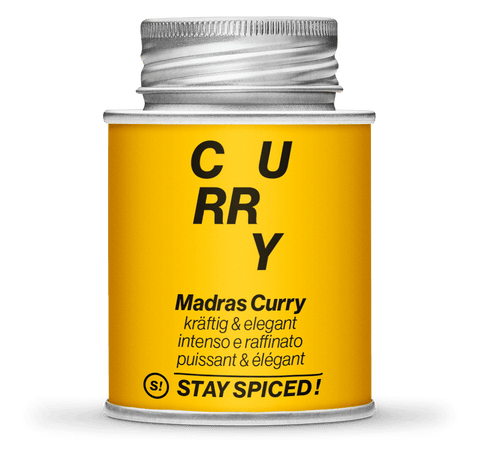
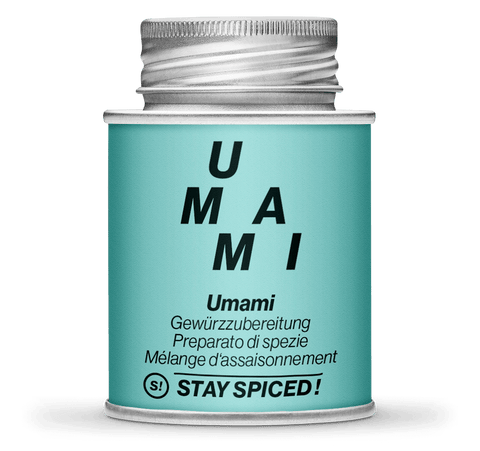
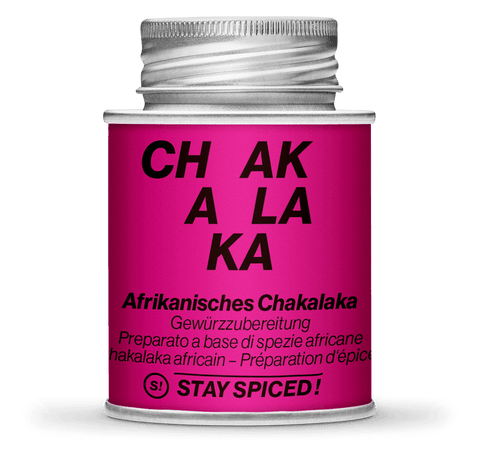
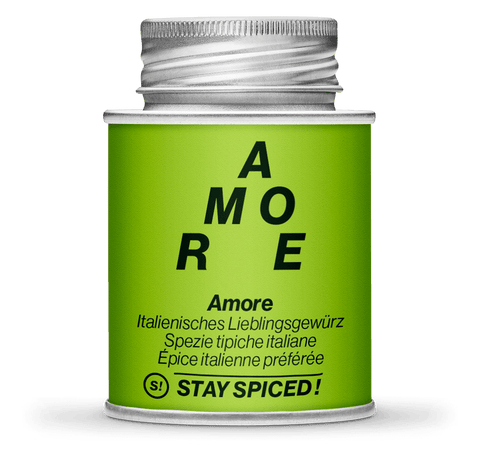
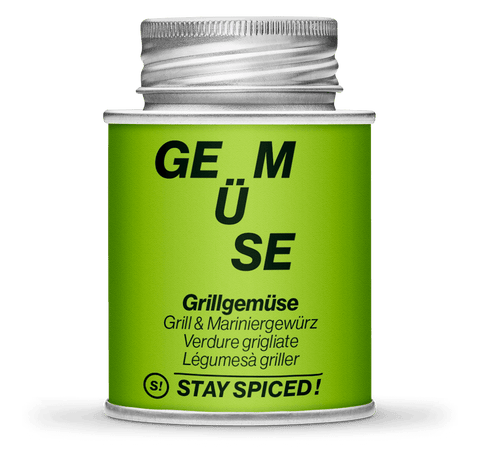
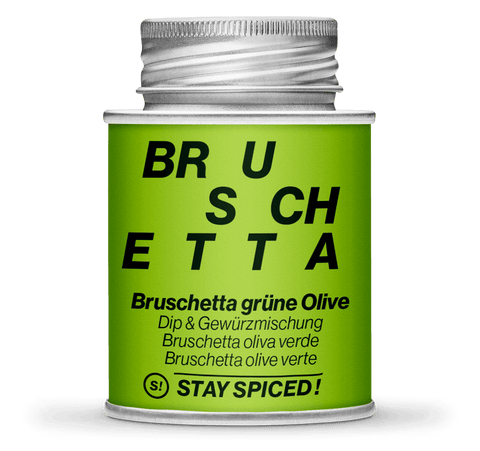
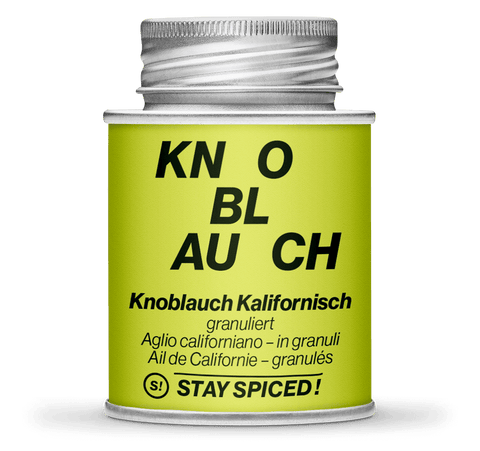
Anyone wanting to store spices correctly needs a container that reliably shields the contents. STAY SPICED! spice tins are designed to significantly reduce contact with light, air, and moisture. This keeps the quality more stable in everyday use.
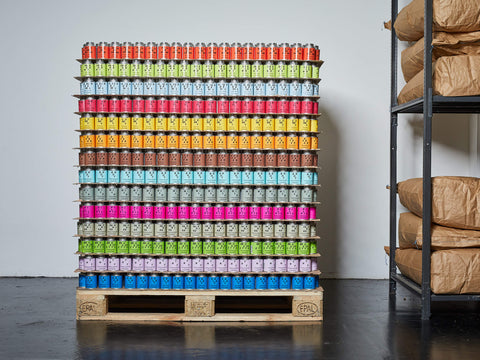
The advantage is not just in the protection. Handling also becomes easier because the tins seal well and can be neatly organized in drawers or on shelves. This helps you use spices in a targeted manner without any detours.
How closed tins improve protection against light
Closed tins protect the contents from direct light better than open bags or inadequately sealed jars. This is important because many aromatic compounds react sensitively to brightness. Spices stored in the dark usually retain their intense color for longer.
Brightly colored spices like paprika or turmeric benefit from this in particular. If you store them in a sturdy tin, the visual impression remains vibrant for longer. This is important when cooking, as color is often associated with freshness.
Less air contact during daily use
In everyday life, a spice tin is often only opened briefly. This is precisely the advantage. Less opening time means less air exchange. As a result, delicate components can be preserved for longer.
It is also practical that the tin can be closed again immediately after use. This often doesn't happen neatly with a bag. While a jar lid is a plus, only a truly well-sealing container keeps the stress on the contents permanently low.
Better at keeping moisture out of the kitchen
Moisture is quickly generated in the kitchen, for example while cooking, washing up, or from warm steam. If spices absorb this moisture, their structure changes. Then they clump together more easily or lose their fragrance.
A tightly sealing spice tin keeps such influences out more effectively. This is especially useful if you often work with open pots. Anyone wishing to store spices correctly should therefore not only pay attention to the appearance but above all to the seal.
Store spices correctly in everyday life so they stay fresh longer
Storing spices correctly means more than just choosing the right container. Where you keep them in the kitchen also plays a major role. Organizing frequently used varieties intelligently allows for quicker access while keeping the storage location dry and protected.
Good organization saves time and protects quality. If you sort your spices by usage, you spend less time searching and don't leave containers open for unnecessarily long. This is particularly helpful for frequently used staples like pepper, paprika, or herb blends.
Keep frequently used spices within reach and dry
The best places are dark, dry, and free from direct heat. A closed drawer is often better than an open shelf. There, spices are significantly better protected from light and kitchen air.
If you cook often, you can keep your most important varieties within reach. This keeps the cooking process efficient without the containers constantly sitting open on the work surface. This is a simple but effective step.
- Do not store spices above the stove.
- Use closed drawers or cabinets whenever possible.
- Only open containers briefly and close them immediately after.
- Keep spoons and fingers dry so that no moisture gets inside.
- Organize spices so that you can find the ones you use frequently quickly.
How to store ginger and turmeric correctly
Ginger and turmeric are aromatic but also delicate. As dried spices, they react to air and moisture just like other powders or pieces. Therefore, a tightly sealing tin makes particular sense.
Storing ginger and turmeric correctly means, above all, keeping them dry and dark. If you transfer them from an open bag, you reduce the risk of loss of flavor and clumping. This is often the easiest protection in everyday life.
Store turmeric correctly without losing color and potency
Turmeric stands out due to its intense color. This is precisely why protection from light is important. If turmeric is stored in too much light, the powder appears duller and less vibrant over time.
Storing turmeric correctly therefore means keeping it in a closed tin and not constantly exposing it to air. This ensures its potency remains reliable for longer. This is particularly worthwhile if you regularly use turmeric for curries, rice dishes, or marinades.
The same principle applies to other spices as well. The more stable the protection, the more slowly the contents lose their character. A good tin does not replace fresh produce, but it noticeably prolongs its good condition.
Conclusion
Jars and bags are often convenient for everyday life, but they do not always offer spices the protection they need. Light, air, and moisture have a lasting effect on aromas, color, and structure. That is exactly why a clearer solution is worth it.
With STAY SPICED! spice tins, you create better conditions for your supplies. You protect delicate contents, organize your kitchen more neatly, and keep access practical. Anyone who wants to store spices correctly chooses closed, dry, and low-light storage.
FAQ
See STAY SPICED! spice tins now